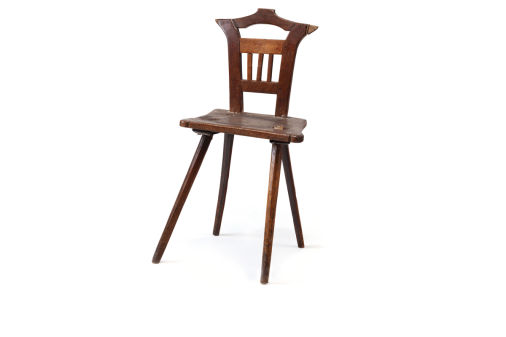
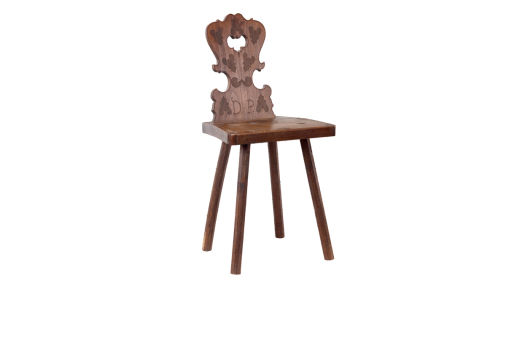
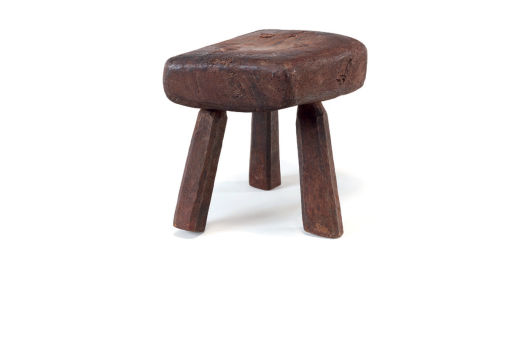
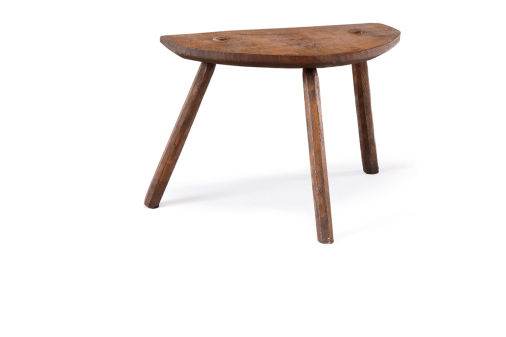
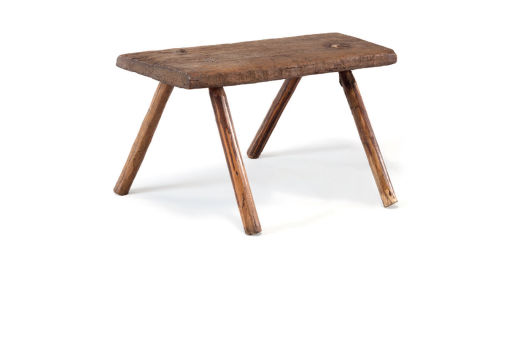
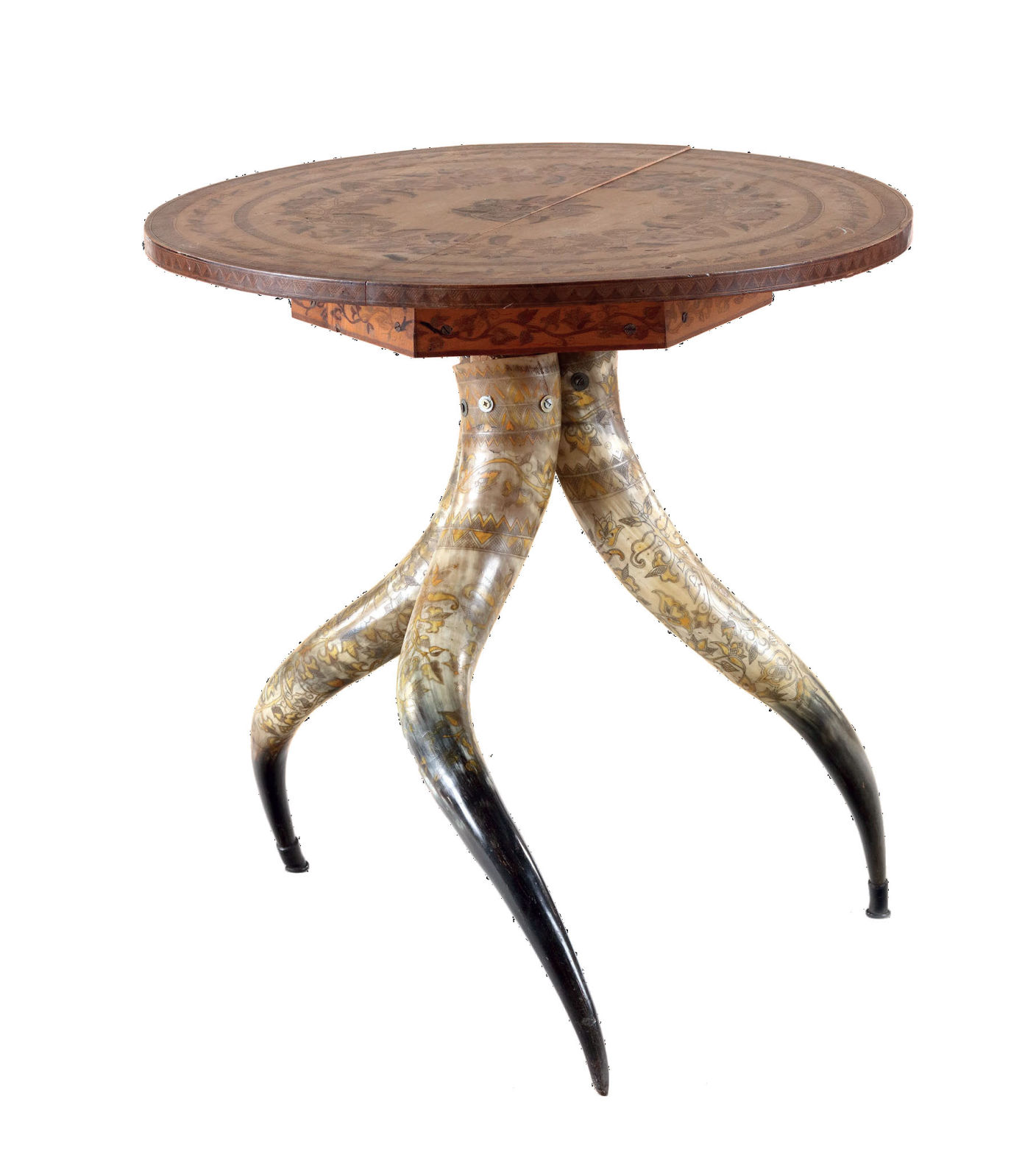
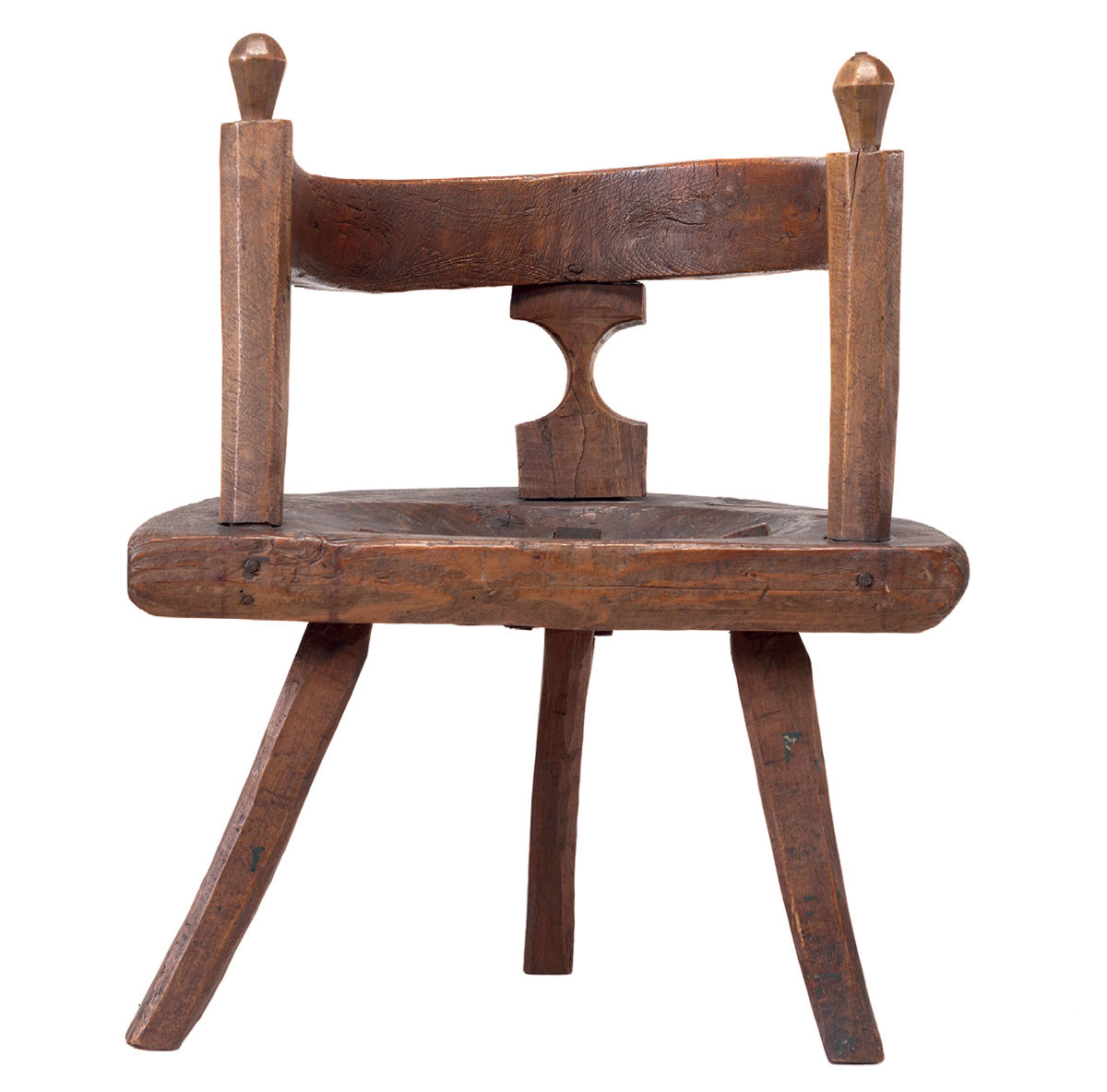
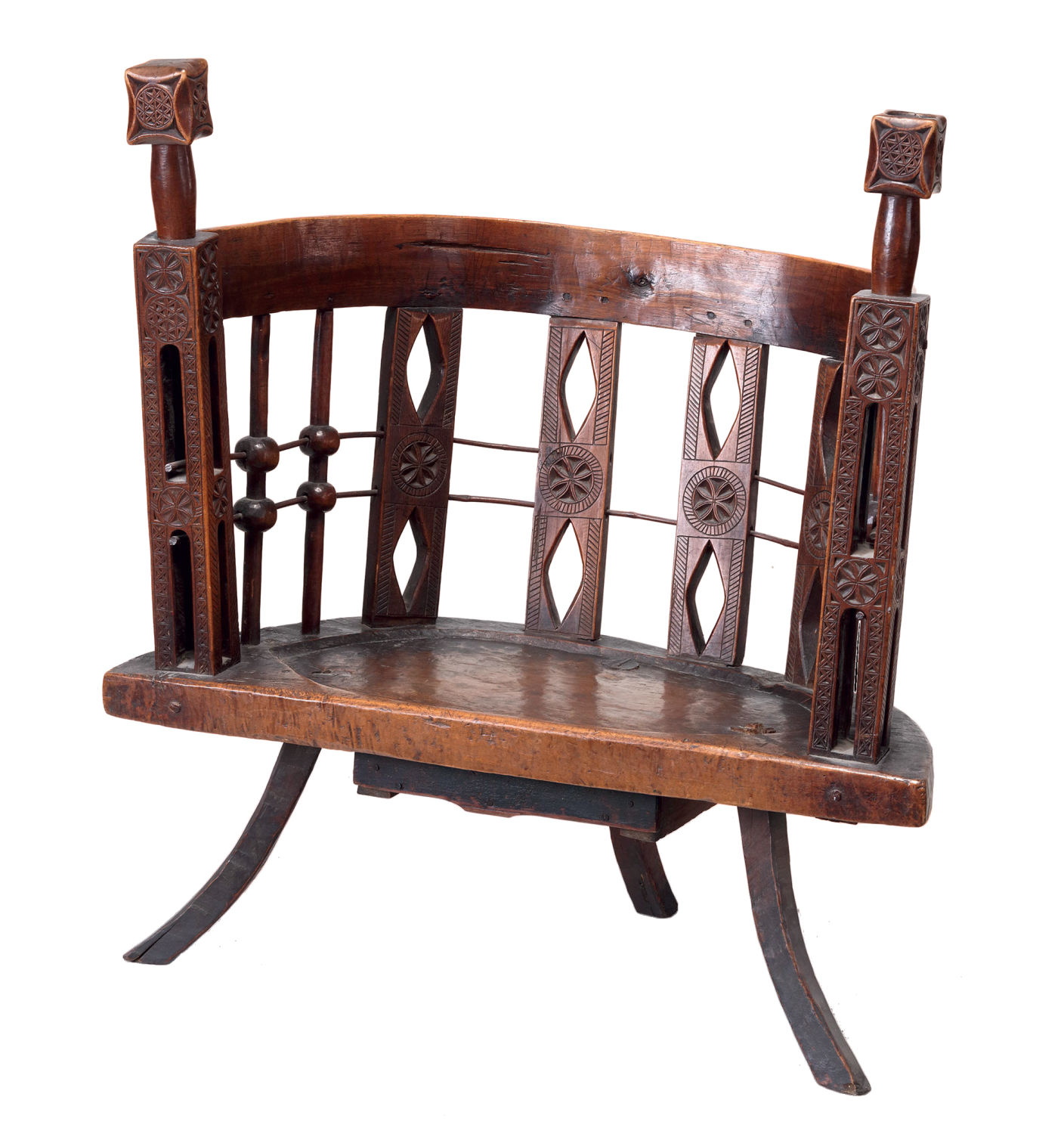
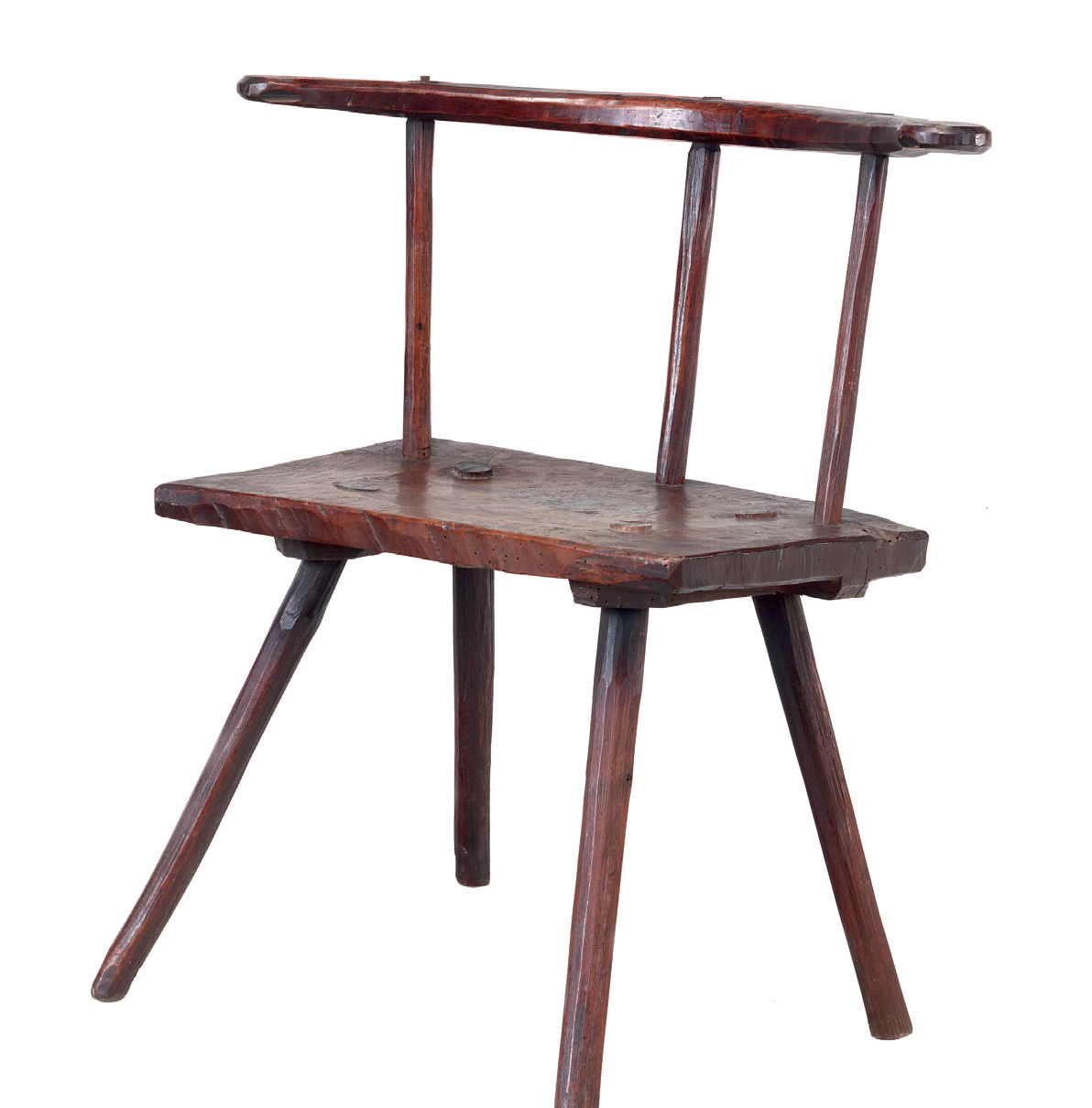
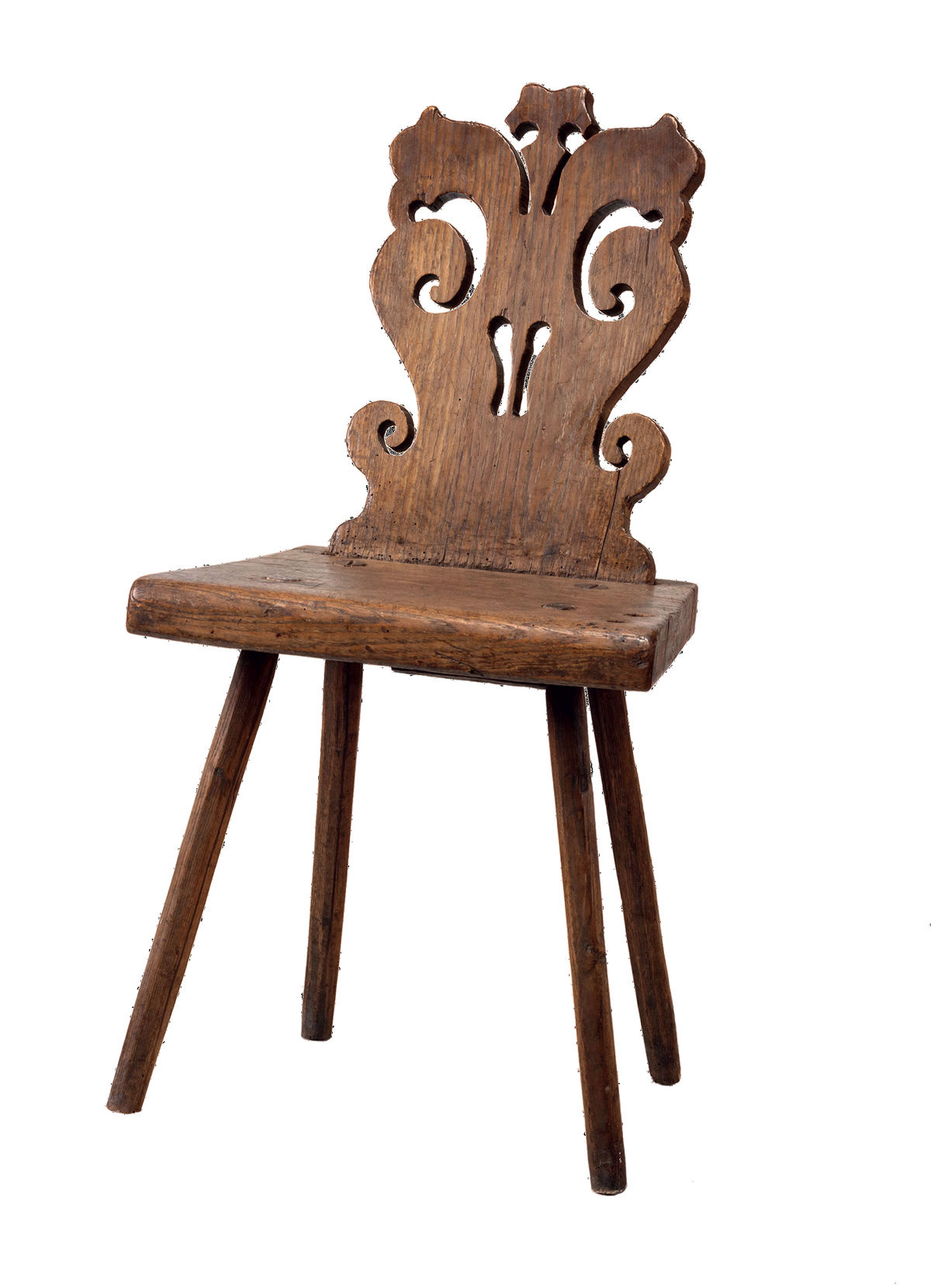
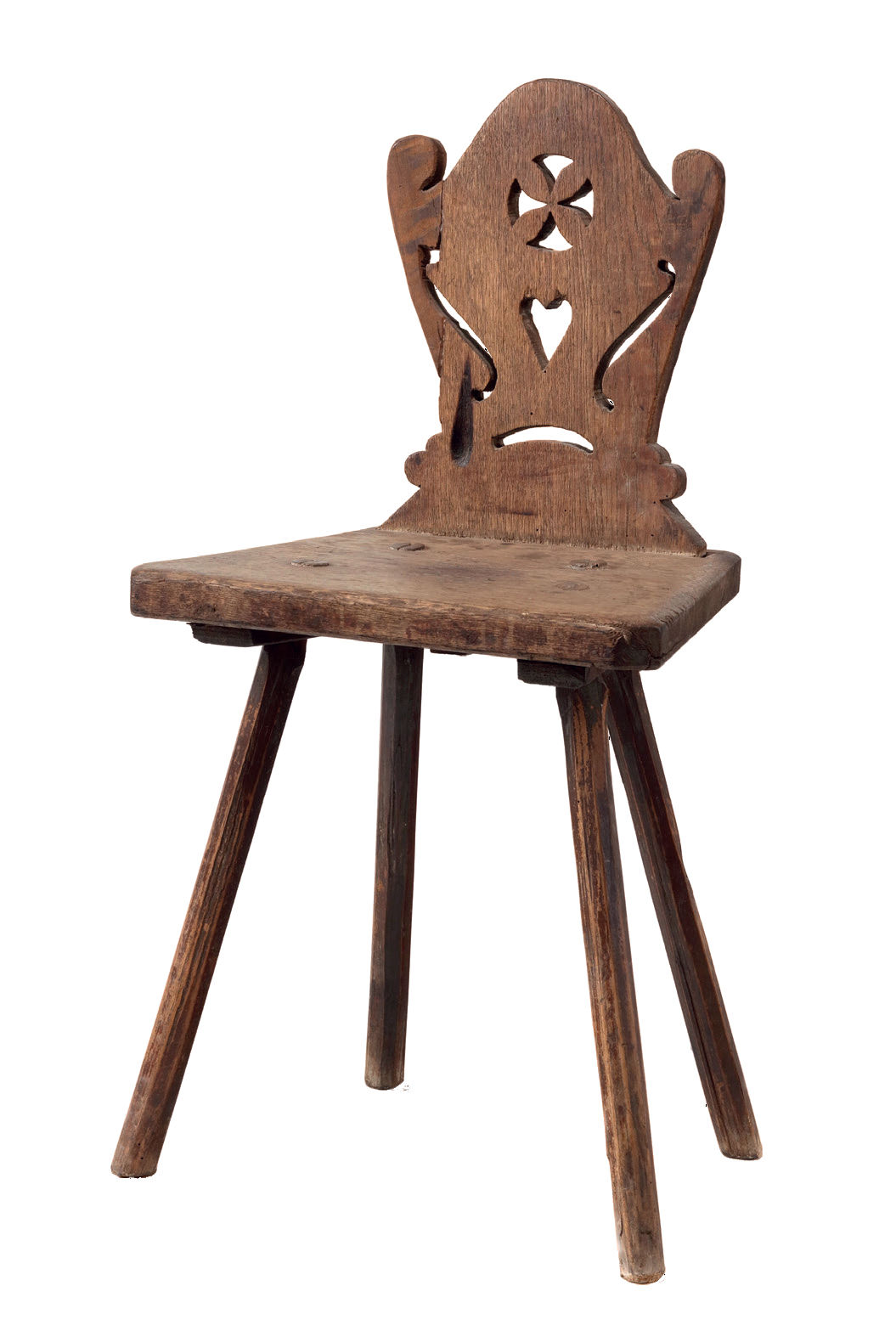
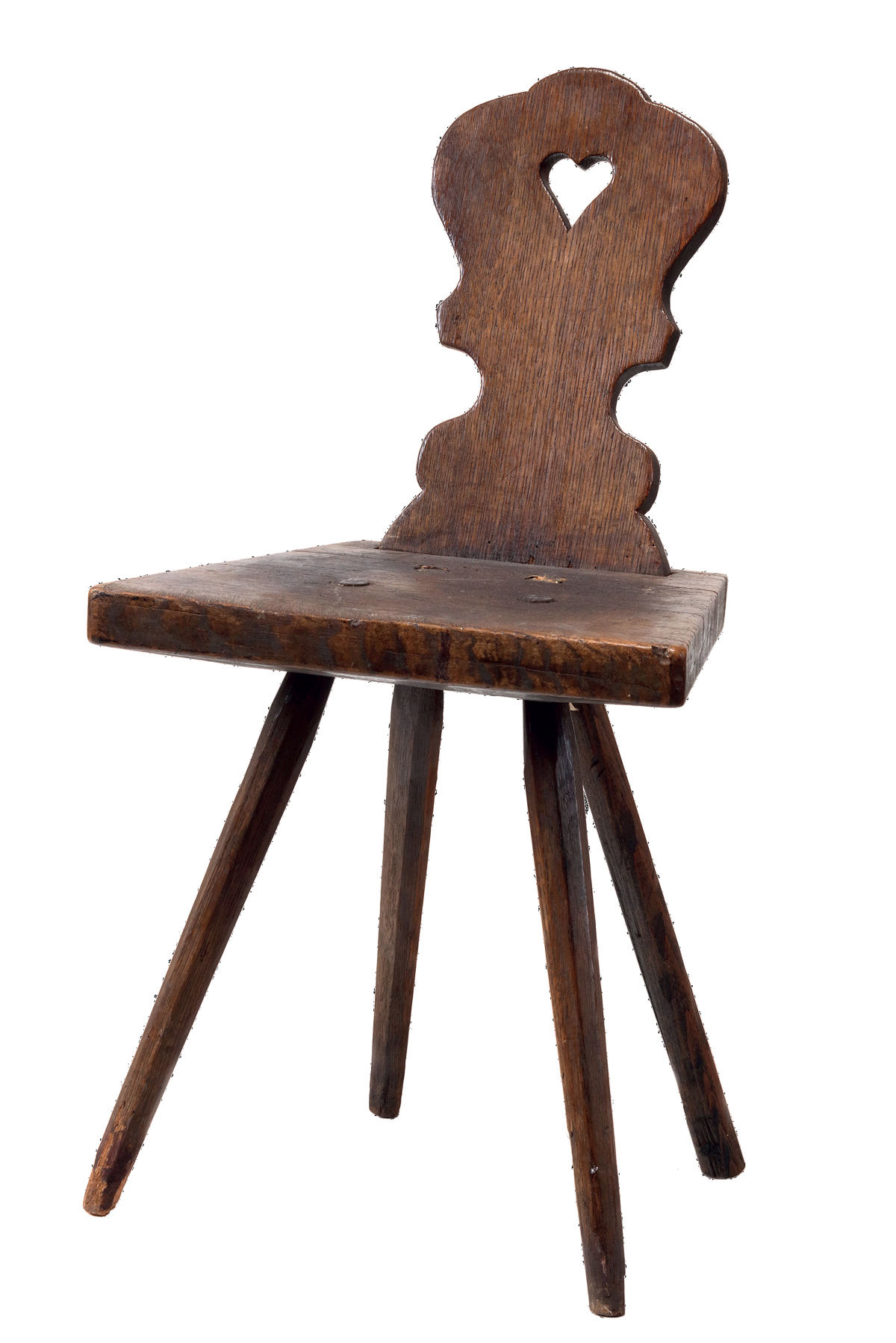
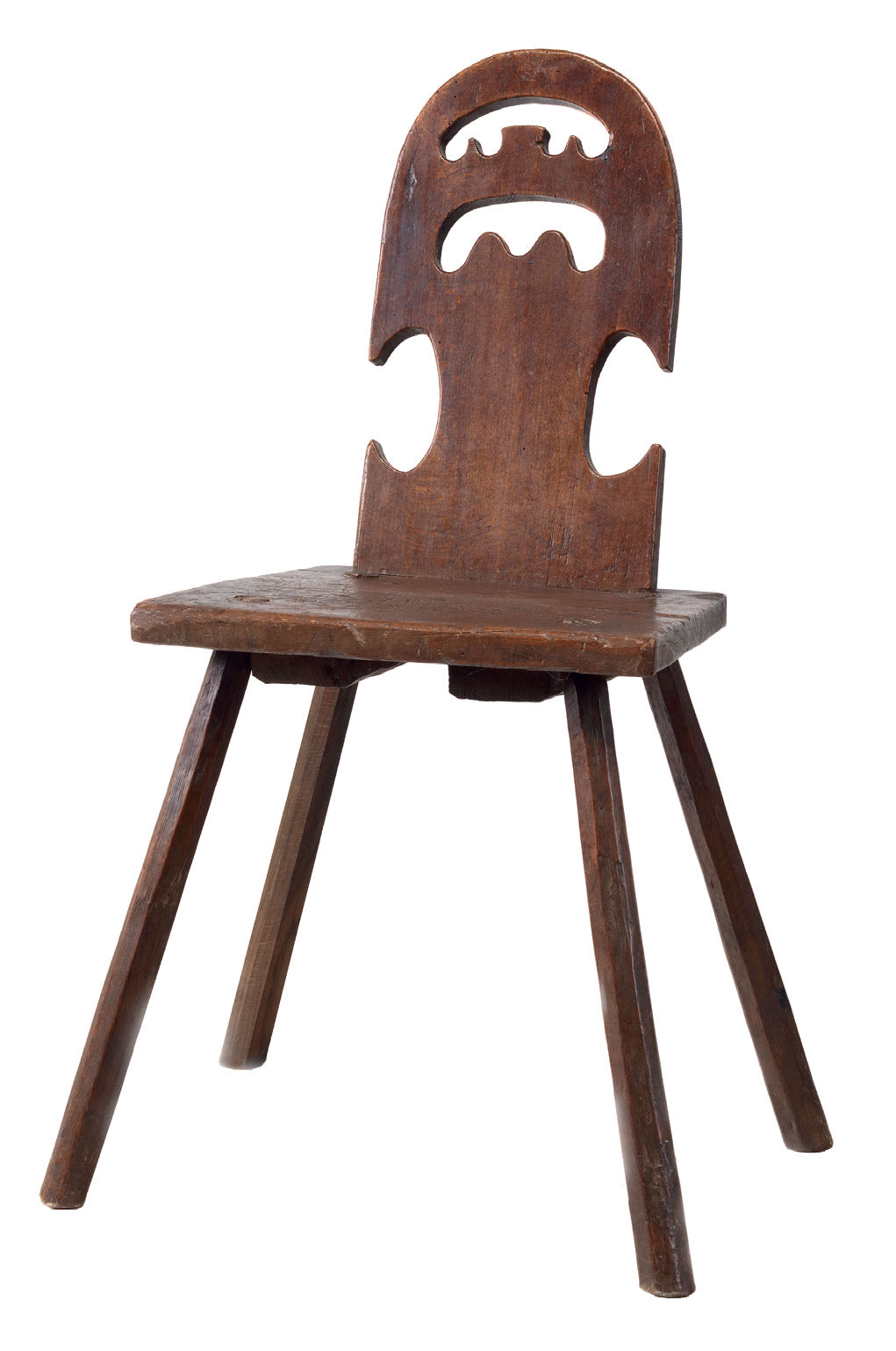
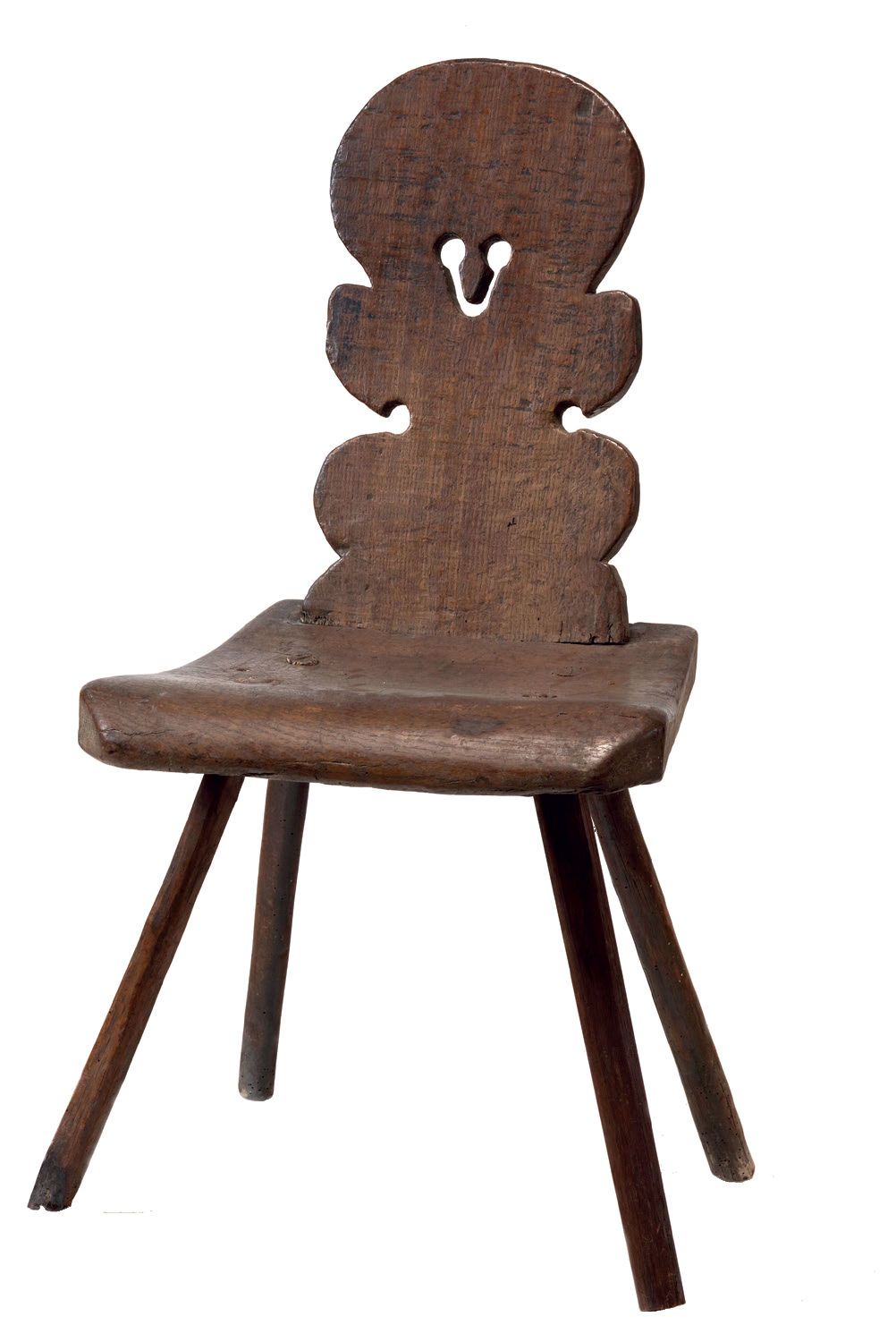
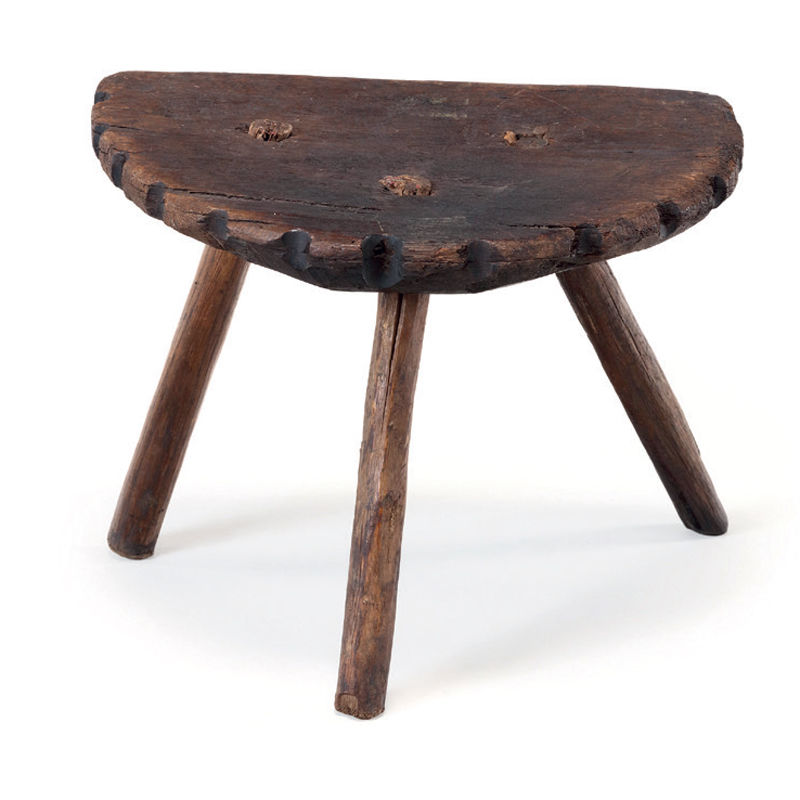
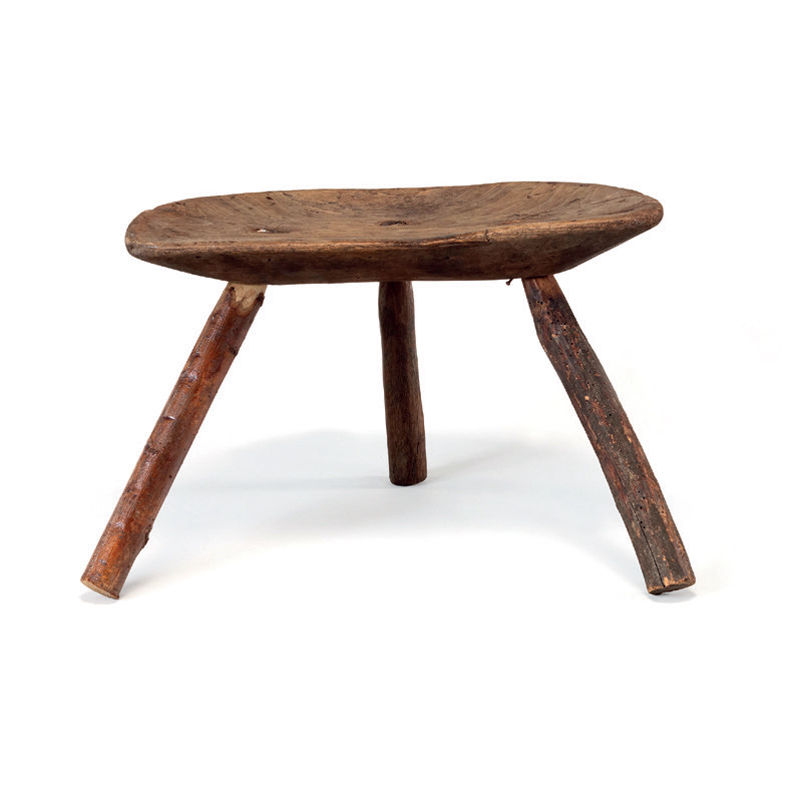
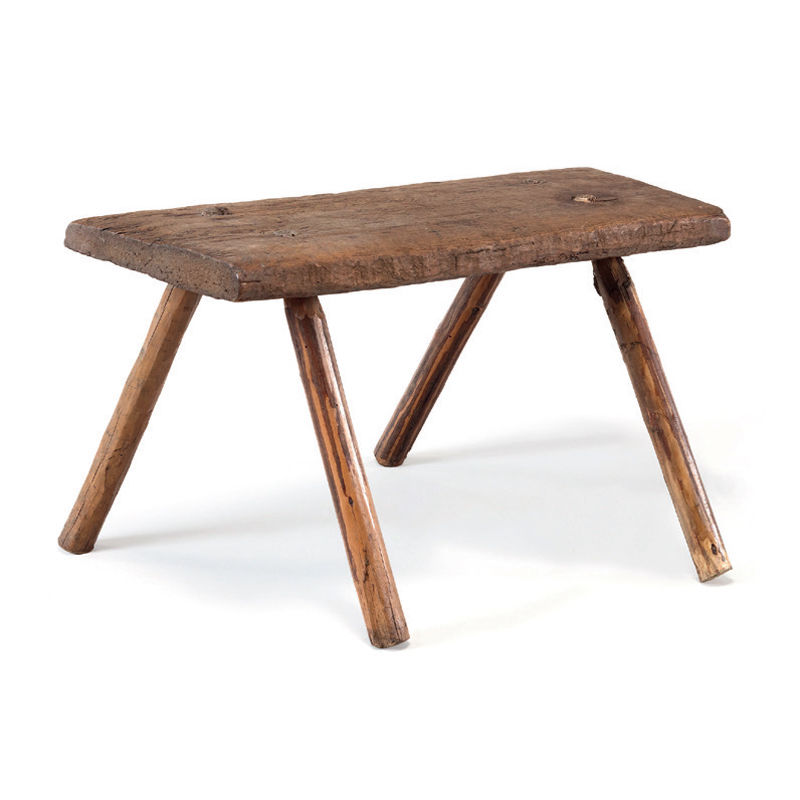
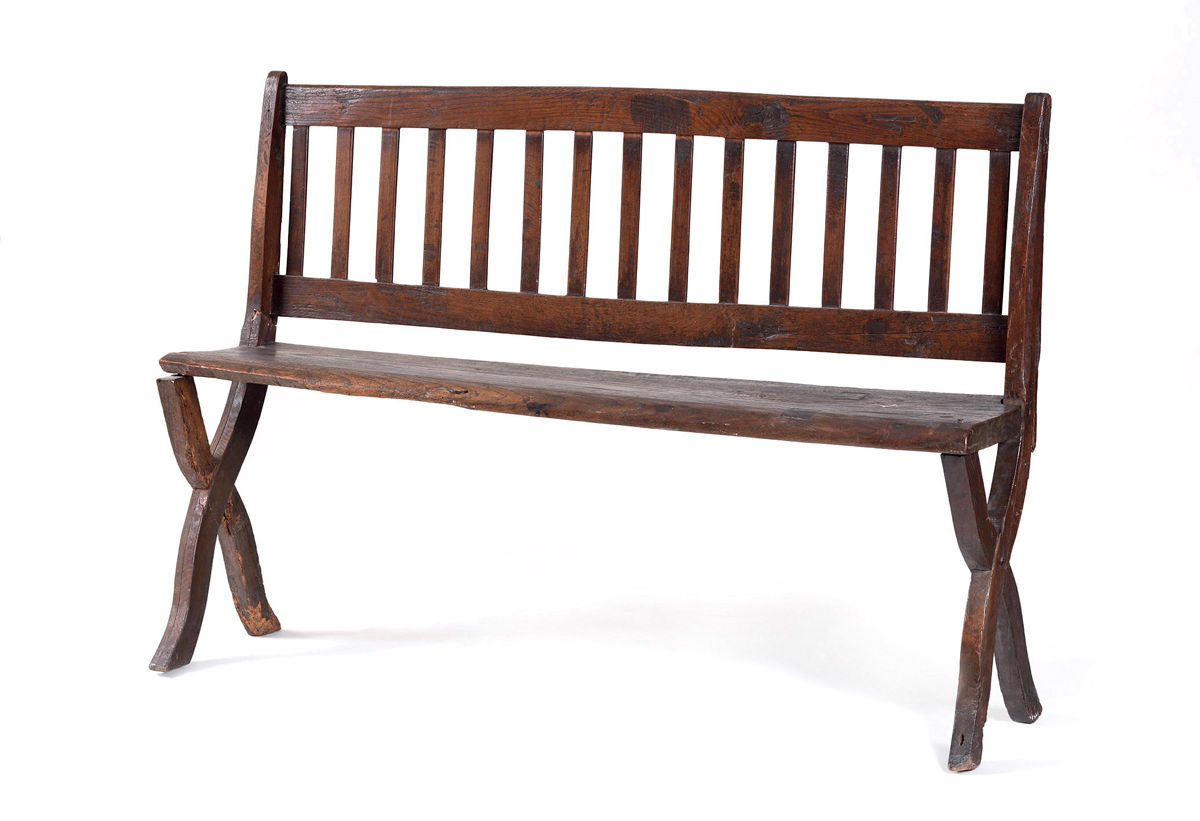
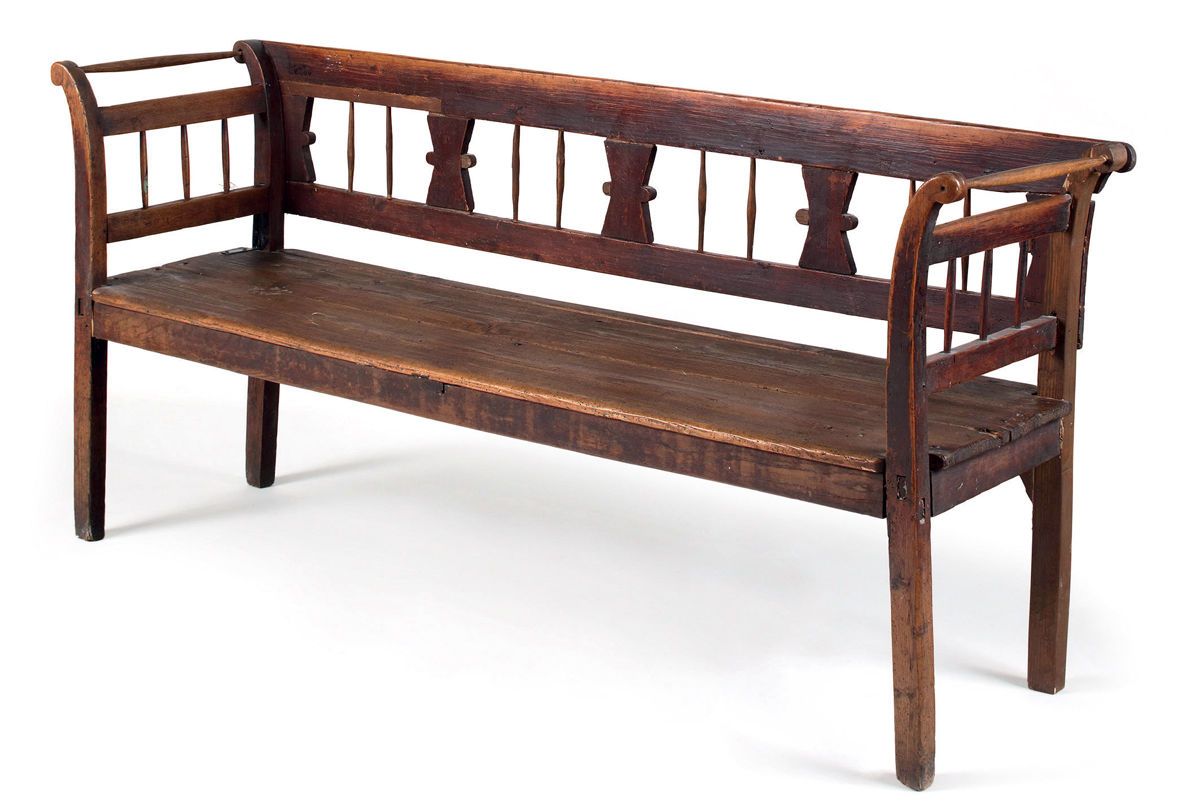
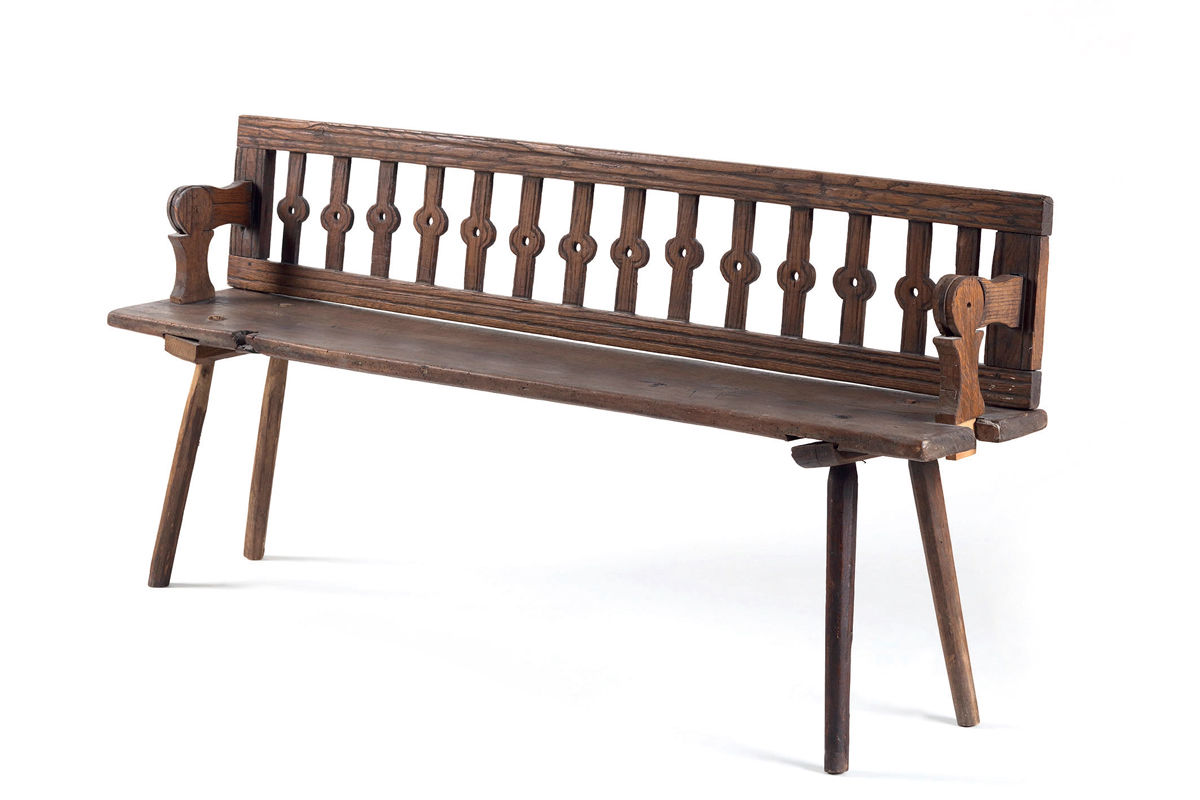
When the dissemination of new objects is considered, it is not always easy to define the precise turning points, and it is hard to determine the exact chronology of the use of individual objects in household furnishing and ouitfitting. According to lists of portions on the island of Hvar from the 17th century, we can conclude that in almost every house there would be several benches with or without backrests. Also mentioned are small tables with folding legs and a kind of folding table with legs and boards that has a maker’s mark from Rijeka (Bezić-Božanić 2002: 17). In the countryside, though, the availability of space and the feeling for the private were differently formed than in the city. In village milieus in the 19th century very few households were supplied with tables and chairs. According to data from the archives and museum collection the time when these transformations and the phases of them would occur varied depending on the settings, and in the 19th century they were increasingly distributed in various regions of Croatia.
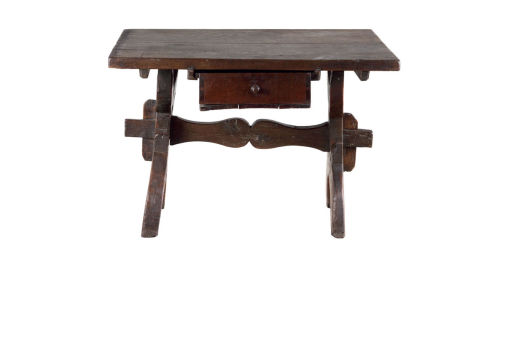
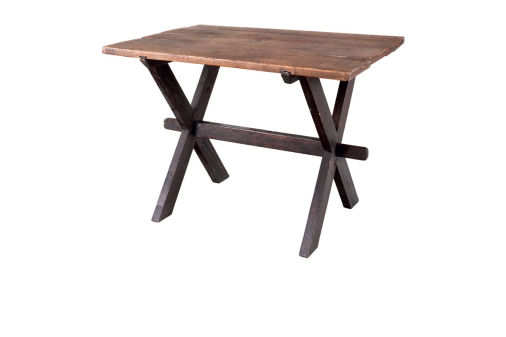
Tables of oak boards on X-trestles are an older constructional form and, being foldable, were suitable for the life of a big family in a small and cramped space, for only when needed would the heavy tops be placed up on the trestles. In time there were changes, and this kind of table would have a drawer added to it in which to place the cutlery and certain other valuables. It would have a locking mechanism that was regularly engaged. When the extended families divided in small nucleus families, there was a different arrangement in the house. According to city fashions, the table would be placed in the middle of the room and accordingly took on the function of representation. Smaller tables with four legs began to be made, most often joined in the shape of an H and became part of the furnishing of the room, with two chairs. Around the middle of the 20th century kitchens would regularly have tables located in the middle of the space, surrounded by chairs, or else against the wall under the window. Such tables were painted green or brown, and often the top was veneered.
In eastern Slavonia and Baranja tables with chairs and benches became part of the bedroom, which was used from time to time as a reception room as well. The custom of putting a table opposite the hearth is in evidence from the 19th century. The size of a table was appropriate to the size of the family, and to the arrangement of members of the household who ate at the table. According to field research into life in the extended families, some ethnologists (Černelić, 2009; Zrnić, 1998) wrote in their studies of given cases that the same rules for table deportment did not hold good in all the extended families. Milana Černelić recorded that in the Prpić-Grgajica extended family in Grgajica by Senj “the father sat at the table and was served by the mother. The others would find room for themselves without any special order, and the children would crouch in the corner of the room. Up to 1920 they all ate out of one common earthenware bowl. They would sit around and eat from the same dish. If there was a shortage, then father and mother would deal out the bread and meat” (Černelić 2009: 86). Lidija Zrnić recorded one female informant saying that in the Staver extended family by Žminj in Istria only the men would eat at the table. Each member had a precisely determined place at table. At the head of the table, the oldest member of the family would sit, the goodman: “Women very rarely sat at and ate off the table, mostly eating on the way when they were clearing the victuals away from the table. Children would sit mostly on smallish stools or on the floor and eat from a common bowl” (Zrnić 1998/1999: 174). In some villages of eastern Slavonia the children would most often eat at a small lower round table called sinija, and this kind of table is also characteristic of the Dalmatian hinterland. A table would be placed in a room or in the kitchen if needed, and was regularly hung on the wall of the bedroom when not in use.
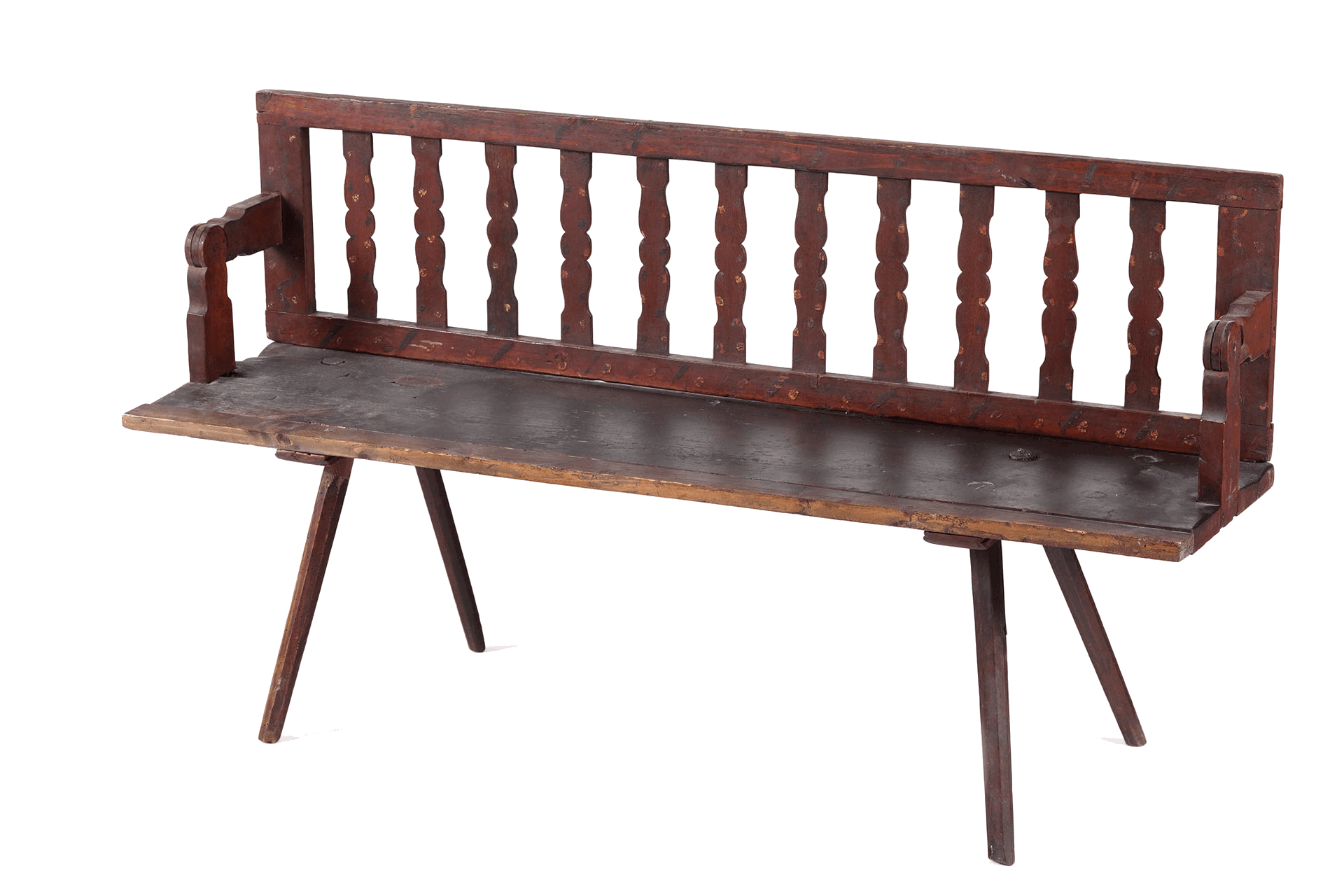
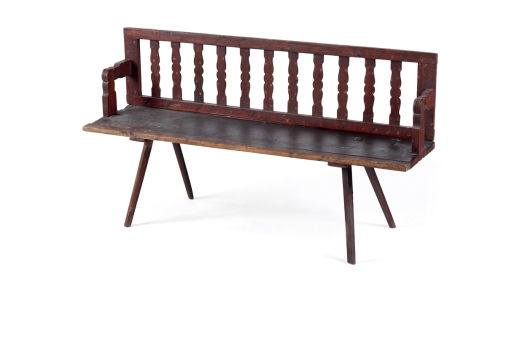
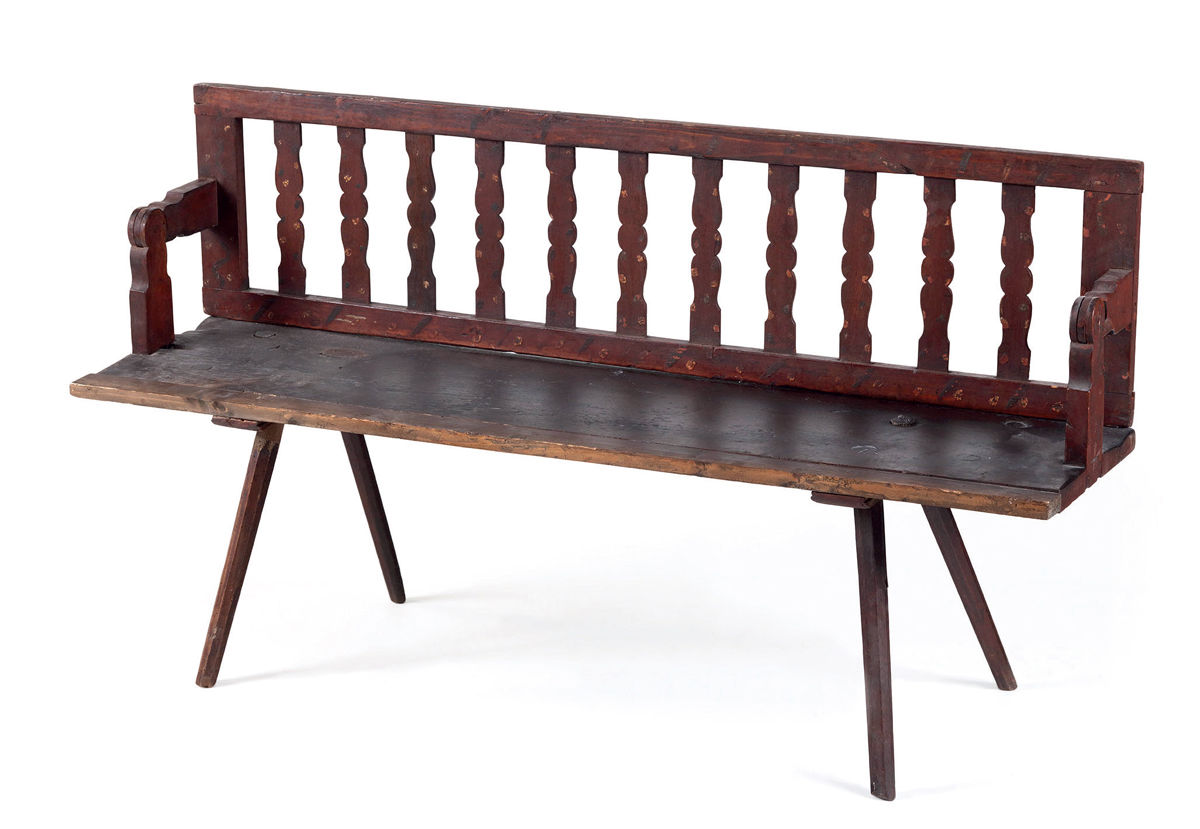
EMZ 4567, Name: Bench, obrtač, Place: Drnje, Podravina
In the nineteenth century in the whole of the lowland area there were
benches for seating at the table. In the corner by the wall there were two benches joined in the shape of an L, which enabled several persons to be seated at the table.
An older form of the bench was moveable and had no backrest. At the
end of the 19th century a bench with backrest appeared, richly ornamented.
By the bed they would regularly place a bench called obrtač or “inverter”,
which when the backrest was turned down, enabled the bed to
be widened. During the day it was used for sleeping, perhaps, and during
the night for children in a cradle to sleep on, or on the bench on
a pallet.
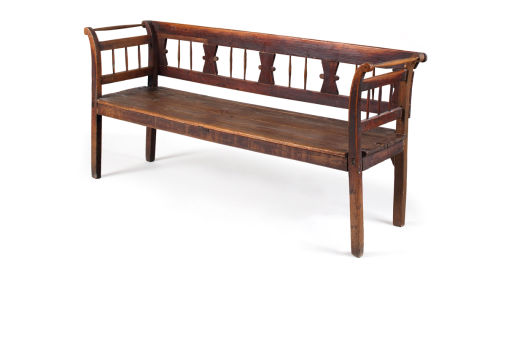
In richer houses there were wider benches with fine backrests
and armrests, which also were used as beds. In the Adriatic area, as well
as richly decorated benches with backrests, the form of bench with a
bottom part that had a chest for putting things away was common; two
wide boards shaped to form a backrest might be added.
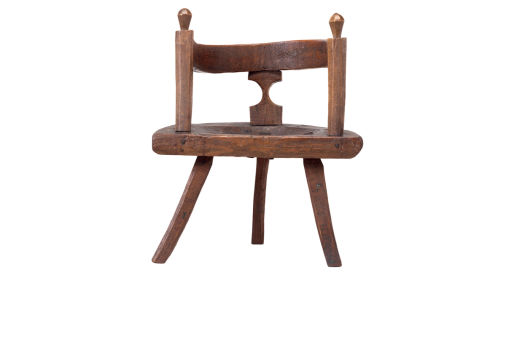
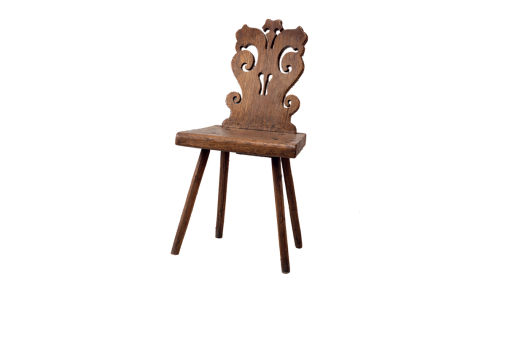
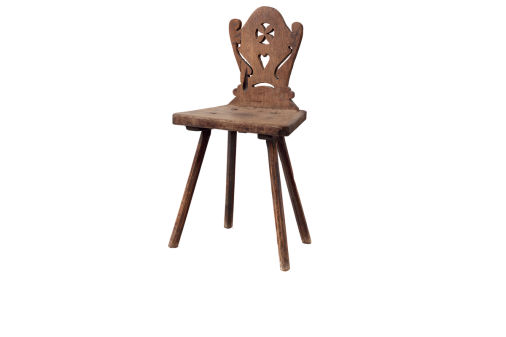
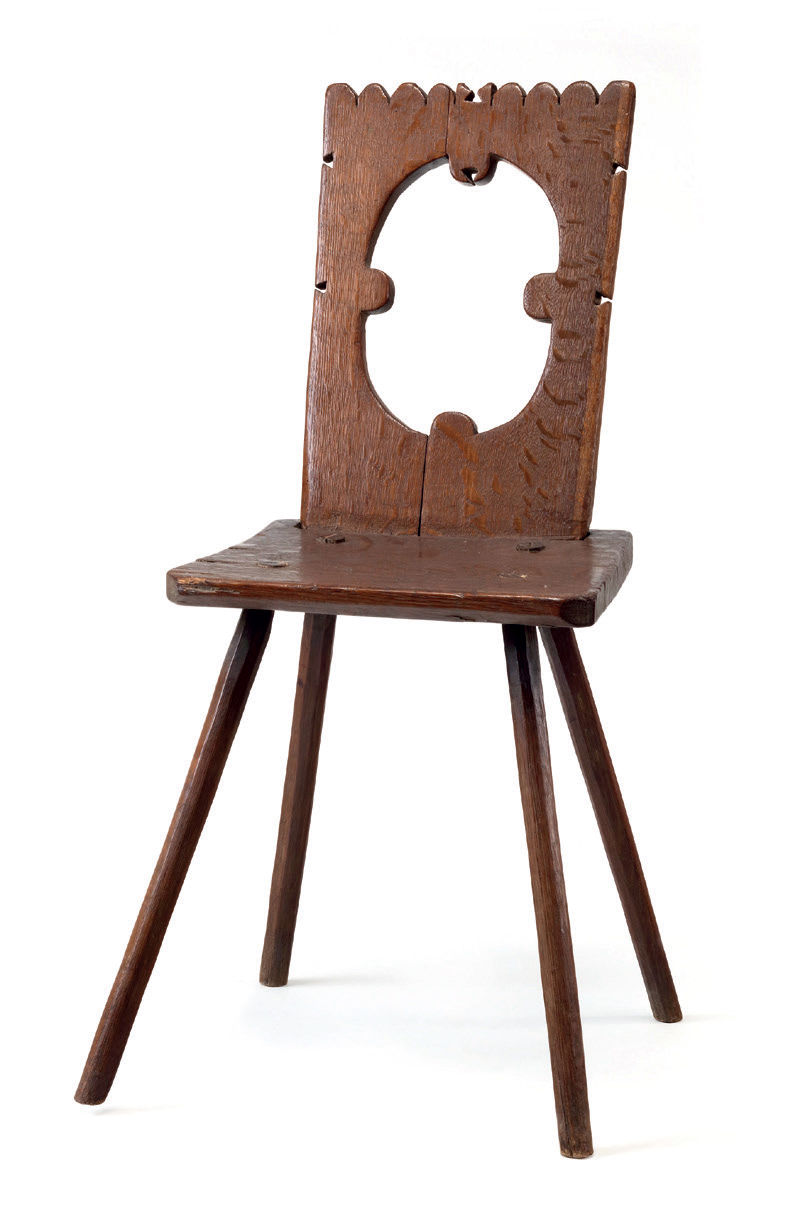
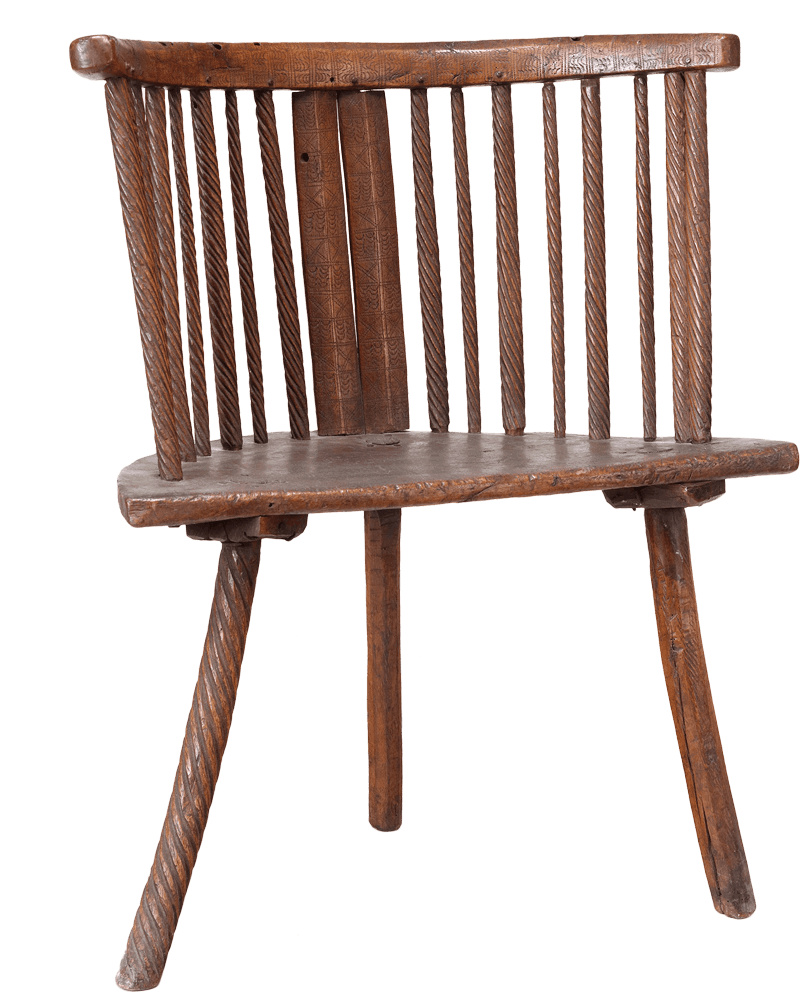
Starting to be used at the same time was a chair with a backrest, variously
decorated by turning worked wood on which the initials of the
persons who would sit on them would sometimes by carved. The exact
family hierarchy could be expressed in the way the chairs were made. A
chair had a precisely set place in the arrangement of the furniture; it was
placed at the narrower end of the table. On it sat the gazda, goodman, or
the senior member of the extended family and it almost seemed to symbolise
his power inside the home. Such a chair on rare occasions might
be resigned to guests worthy of special attention; it was larger and more
decorated than the other chairs, and sometimes would be the only one at
the table. The inequality of men and women was reflected in the seats, the
subordination of women being highlighted. Women had chairs that were
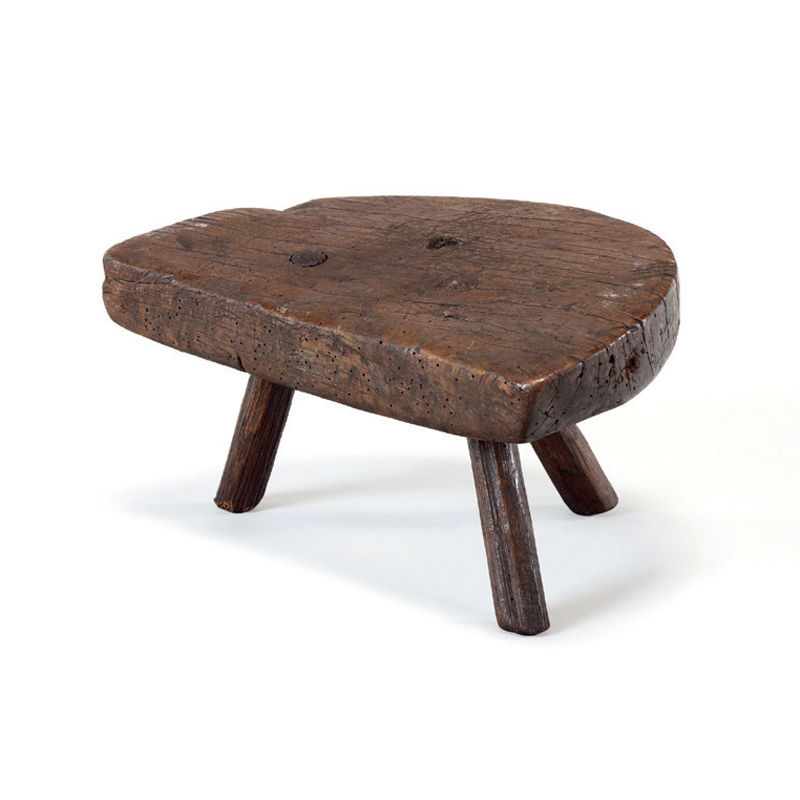
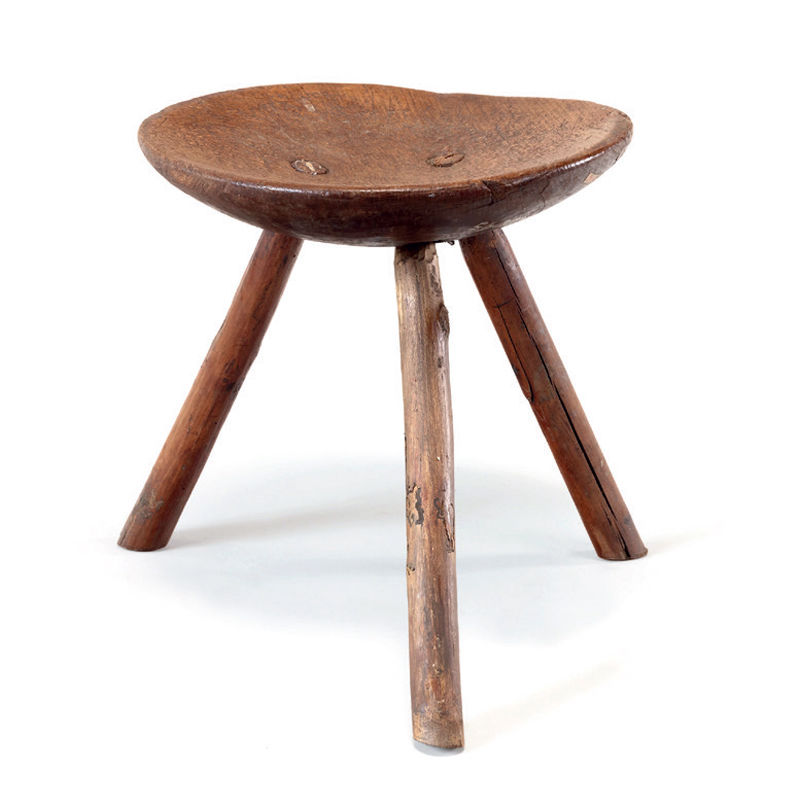
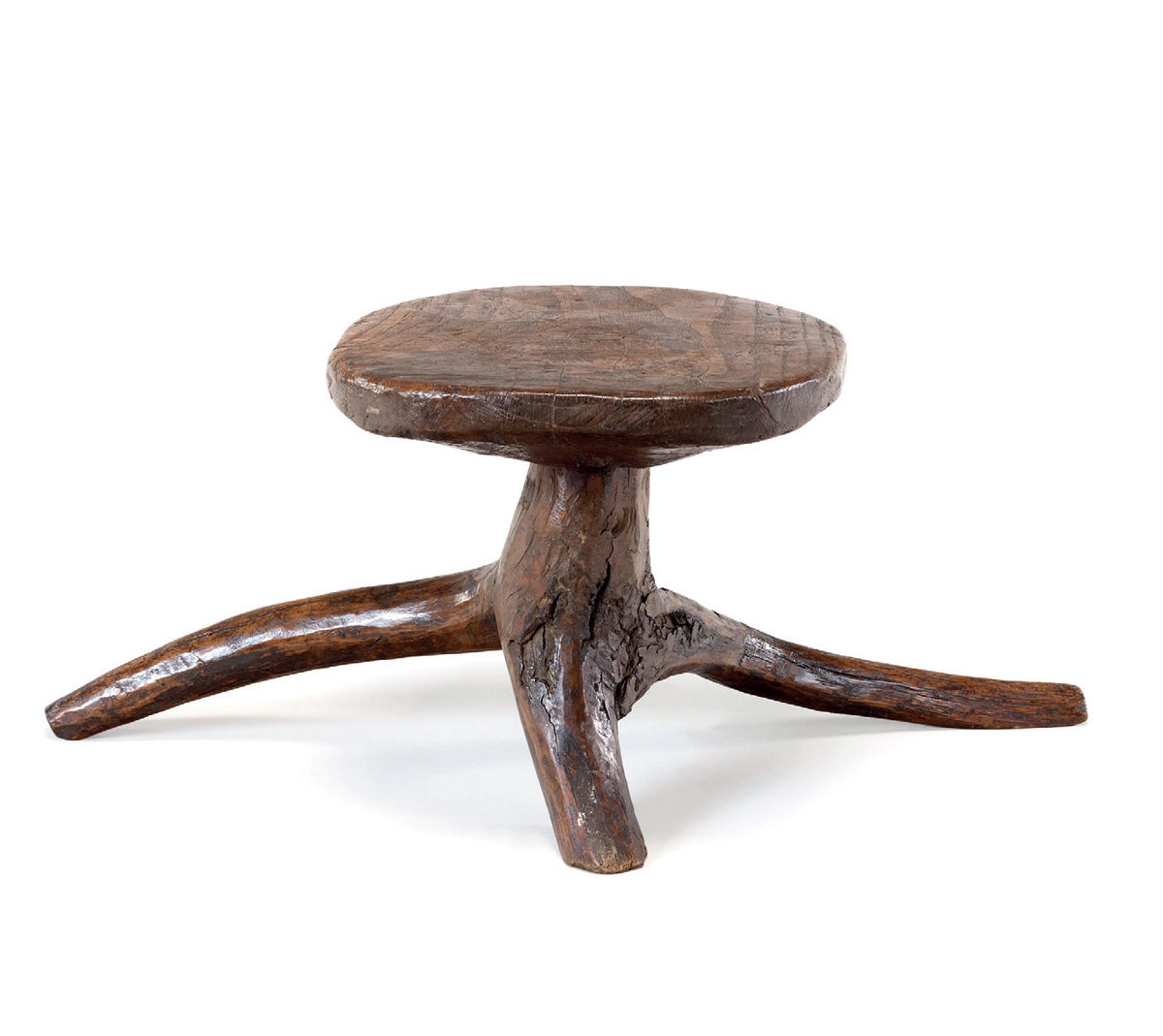
much smaller, or perhaps they would sit on three-legged stools. A large
number of seats and folding tables meant that a lot of socialising was
going on, such as weddings and various celebrations and rural festivities.
Wedding feasts would be held in the autumn and winter and would take
place in the room. The beds and all the other furniture would be taken
out, and only a table with benches and chairs would be left in it. On
them, in a precisely determined hierarchy, sat the groom and those who
officiated in the wedding according to custom, and then any other guests.
On this occasion, as distinct from the everyday life, they did not eat
out of a common bowl. According to the accounts of Bogišić “in the Shtokavian people of
Žumberak, the bride doesn’t sit at table with the groom, unlike the
Chakavian speaking people of Žumberak, but stands in the corner by the table, and the groomsmen offer her meat and drink” (Bogišić 1974: 235). When the bride came into the house of the groom for the first time, the groomsman would help her dismount and bring her into the house, she would sit on a bench at the table. In 1859 Radić wrote that “the bride went around the table three times, and hung out towels and rings of fabric to place on the head when carrying loads, and when she had done, stood in the corner by the table” (Smičiklas 1968-70: 156).
From the 1970s on, the functions of room and table with benches and chairs as objects relating to socialising began to be increasingly restricted, in consequence of general social and economic trends in the population of the second half of the 20th century. Some of the changes took
place by the transformation of traditions that had been based on the values of the bygone pattern of life, or their failure to be maintained.
EMZ 3769
Name: Table, načve
Place: Štip, Sjeverna Makedonija
Dimensions: 71 x 110 cm
Time: second half of 19th ct.
EMZ 18305
Name: Table
Place: Hudi Bitek, Zagreb surrounding
Dimensions: 142 x 64 x 20 cm
Time: Time: second half of 19th ct.
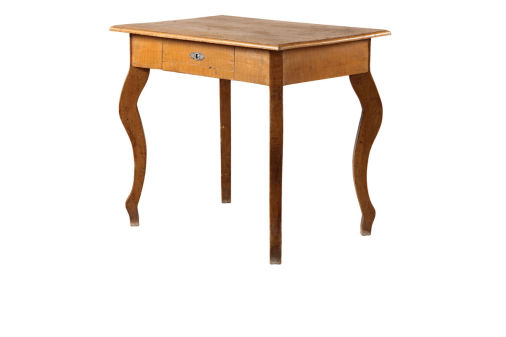
EMZ 62207
Name: Table
Place: Đakovo, Slavonija
Dimensions: 80 x 53 x 99 cm
Time: second half of 19th ct.
EMZ 22721
Name: Table, stol s nogari
Place: Gornja Letina, Posavina
Dimensions: 71 x 110 cm
Time: second half of 19th ct.
EMZ 20111
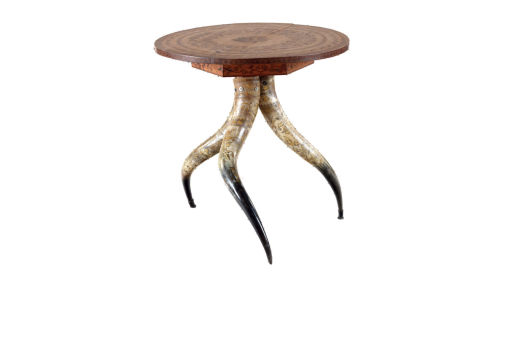
Name: Sinija
Place: Prkovci, Slavonija
Dimensions: 82 x 33 cm
Time: second half of 19th ct.
EMZ 29717
Name: Chair, katriga
Place: Listeši, Dalmatinska zagora
Dimensions: 65 x 35 cm
Time: beginning of 20th ct.
EMZ 7630
Name: Chair, stolovač
Place: Razvršje, Montenegro
Dimensions: 43 x 34 cm
Time: second half of 19th ct.
EMZ 11612
Name: Chair, skemlija
Place: Pliva, Jajce, Bosnia and Herzegovina
Dimensions: 54 x 56 cm
Time: first half of 19th ct.
EMZ 7630
Name: Chair, stolovač
Place: Razvršje, Montenegro
Dimensions: 83 x 84 cm
Time: second half of 19th ct.
EMZ 15937
Name: Chair, katriga
Place: Kijevo, Sinj
Dimensions: 48 x 98 cm
Time: beginning of 20th ct.
EMZ 15936
Name: Chair, katriga
Place: Kijevo, Sinj
Dimensions: 48 x 98 cm
Time: beginning of 20th ct.
EMZ 52804
Name: Chair, stolec
Place: Markuševec, Prigorje
Dimensions: 49 x 33 x 40 cm
Time: second half of 19th ct.
EMZ 18311
Name: Chair, stolec
Place: Martinska Ves, Posavina
Dimensions: 32 x 39 x 47 cm
Time: second half of 19th ct.
EMZ 15140
Name: Chair
Place: Lošinj, Island of Lošinj
Dimensions: 43 x 36 x 58 cm
Time: beginning of 20th ct.
EMZ 52804
Name: Chair
Place: Vinkovci, Slavonija
Dimensions: 44 x 32 x 45 cm
Time: second half of 19th ct.
EMZ 2624
Name: Chair
Place: Lijevi Štefanki, Posavina
Dimensions: 31 x 43 cm
Time: second half of 19th ct.
EMZ 2672
Name: Chair, stolec
Place: Farkašić, Posavina
Dimensions: 44 x 48 cm
Time: second half of 19th ct.
EMZ 2689
Name: Chair, stolec
Place: Letovanić, Posavina
Dimensions: 31 x 43 cm
Time: second half of 19th ct.
EMZ 20045
Name: Chair, tronožac, tronog
Place: Pećina, Lika
Dimensions: 34 x 33 cm
Time: second half of 19th ct.
EMZ 12870
Name: Chair, tronožac, tronog
Place: Magić Mala, Slavonija
Dimensions: 24 x 24 cm
Time: 1924.
EMZ 8639
Name: Chair, tronožac, tronog
Place: Andrijaševci, Slavonija
Dimensions: 21 x 23,5 cm
Time: second half of 19th ct.
EMZ 20086
Name: Chair, tronožac, stolić
Place: Prkovci, Slavonija
Dimensions: 34 x 22 x 21cm
Time: second half of 19th ct.
EMZ 26744
Name: Bench, klup
Place: Stari Gradac, Podravina
Dimensions: 40 x 20 x 84 cm
Time: second half of 19th ct.
EMZ 4567
Name: Bench, obrtač
Place: Drnje, Podravina
Dimensions: 143 x 39 x 79 cm
Time: beginning of 20th ct.
EMZ 2862
Name: Bench, obrtač
Place: Rinkovec, Bednja
Dimensions: 142 x 33 x 57 cm
Time: beginning of 20th ct.
EMZ 19939
Name: Bench
Place: Branjin Vrh, Baranja
Dimensions: 170 x 32 x 50 cm
Time: second half of 19th ct.